|
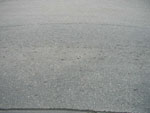
Gray Surface:
|
|
|
the overall
graying of asphalt because of the oxidation of the pavement
from the sun.
|
|
|
Cause:
|
|
untreated
asphalt loosing its binder.
|
|
Repair/
Prevention:
|
|
sealcoating
pavement, stop oxidation.
|
|
|
|
1
|
2
|
3
|
4
|
5
|
|
|
None
|
Many
|
|
|
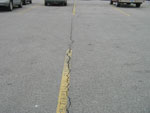
Long Cracks:
|
|
|
cracks spaced
evenly apart (about 12 feet) and parallel.
|
|
|
Cause:
|
|
weak joints
caused by asphalt seam being colder than the other seam during
installation process.
|
|
Repair/
Prevention:
|
|
crackfilling
with hot pour rubber.
|
|
1
|
2
|
3
|
4
|
5
|
|
|
None
|
Many
|
|
|
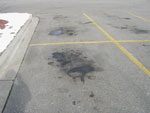
Oil Spots:
|
|
|
staining of
asphalt at parking areas that deteriorate the pavement
surface.
|
|
|
Cause:
|
|
oil dripping
from vehicles, overfilling of gas tanks.
|
|
Repair
|
|
thermal repair
of application of an oil spot primer prior to sealcoating.
|
|
Prevention:
|
|
sealcoating new
asphalt 30-60 days after installation.
|
|
1
|
2
|
3
|
4
|
5
|
|
|
None
|
Many
|
|
|
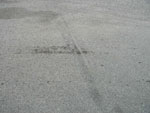
Raveling:
|
|
|
an ongoing
separation of the aggregate particles from the pavement
surface.
|
|
|
Cause:
|
|
the sun's rays
oxidize the pavements binder, causing the stones (aggregate)
to separate.
|
|
Repair
|
|
sealcoating of
pavement.
|
|
Prevention:
|
|
sealcoating new
asphalt 30-60 days after installation.
|
|
1
|
2
|
3
|
4
|
5
|
|
|
None
|
Many
|
|
|
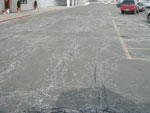
Alligator Cracks:
|
|
|
a brittle
area of pavement that resembles alligator skin.
|
|
|
Cause:
|
|
stress in the
asphalt or sub base.
|
|
Repair
|
|
removal of
deteriorated asphalt and possibly removal of sub base with
satisfactory material.
|
|
Prevention:
|
|
proper
pavement/sub base installation, timely crackfilling or a
pavement maintenance program.
|
|
1
|
2
|
3
|
4
|
5
|
|
|
None
|
Many
|
|
|
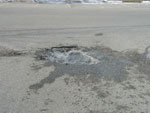
Potholes:
|
|
|
holes in
pavement of various sizes.
|
|
|
Cause:
|
|
insufficient
pavement thickness, drainage problems or just weak joints.
|
|
Repair
|
|
overlay patch
area, removal and replace area or infrared thermal repair.
|
|
Prevention:
|
|
proper
construction and/or proper crackfilling.
|
|
1
|
2
|
3
|
4
|
5
|
|
|
None
|
Many
|
|
|
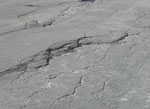
Heaving Asphalt:
|
|
|
the layers of
asphalt push up and/or sink leaving an uneven pavement.
|
|
|
Cause:
|
|
sub base
problems/water seeping into ground and freezing pushing up
pavement.
|
|
Repair
|
|
removal and
replacement of pavement and sub base.
|
|
Prevention:
|
|
proper pavement
and sub base installation.
|
|
1
|
2
|
3
|
4
|
5
|
|
|
None
|
Many
|
|
|
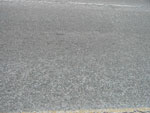
Polished Stone:
|
|
|
aggregates in
pavement are smooth and polished, possibly slick in wet
conditions.
|
|
|
Cause:
|
|
high traffic
areas wear the surface quicker.
|
|
Repair:
|
|
sealcoat with a
heavy sand mixture to hold aggregate together and to eliminate
slippery conditions.
|
|
1
|
2
|
3
|
4
|
5
|
|
|
None
|
Many
|
|
|
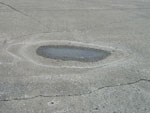
Grade Depressions:
|
|
|
areas in
pavement that are low and limited in size often with standing
water.
|
|
|
Cause:
|
|
traffic may be
heavier than pavement was designed for or a sub base condition
could exist.
|
|
Repair:
|
|
infrared thermal
patching is great for most of these problems but, a sub base
problem could exist.
|
|
1
|
2
|
3
|
4
|
5
|
|
|
None
|
Many
|
|
|
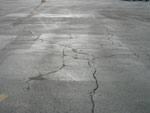
Reflective Cracking:
|
|
|
a surface
crack in a resurfaced parking lot or in a patched area.
|
|
|
Cause:
|
|
movement in
pavement below surface layers.
|
|
Repair
|
|
fill cracks if
few or remove and replace deteriorated areas.
|
|
Prevention:
|
|
remove
deteriorated areas before resurfacing the driveway or parking
lot.
|
|
1
|
2
|
3
|
4
|
5
|
|
|
None
|
Many
|
|
|
|